
 Algeria




Upcoming training events
Hear what people are saying about Noria training
Product unboxing videos
Watch the latest product unboxing videos from our YouTube channel
Unboxing: ESCO LeveLock Constant Level Oiler
Unboxing: FS9V4 Particle Pal Plus w/ Atten2 Particle Counting & ID Technology
Unboxing: The Conserver® Oil Purification Unit by Next Generation Filtration Systems, LP
Product Unboxing - Simalube Single-Point Lubricators
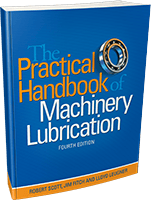
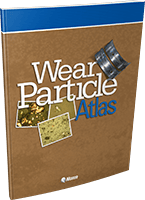
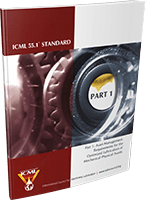
Featured products from the Noria store
Global products and services
View our vast network of highly-qualified global agents
Lubrication-Enabled Reliability
Noria helps companies enable reliability through better lubrication processes. For more than 20 years, our approach has changed how organizations manage and monitor lubricants for maintaining optimum reliability and safety. We are the trusted advisor to the world’s leading organizations.
About UsCase studies from our customers
Learn how you can drive success with lubrication
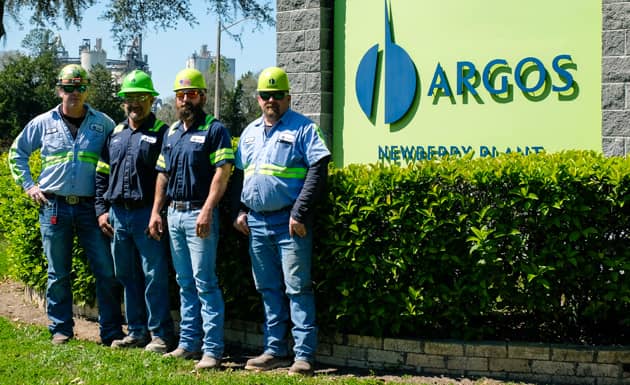
Hardware creates culture change at Argos Newberry
The Argos Cement Plant in Newberry, Florida, had a directive from their corporate team to improve lubrication procedures and hardware but needed help getting started. After receiving Noria training and an Ascend Assessment, the plant was able to work with the Noria team to identify better lubricant handling options, more effective greasing techniques and opportunities for better contaminant exclusion and removal. Their success has encouraged the Argos team to implement similar improvements in their other plants as well.
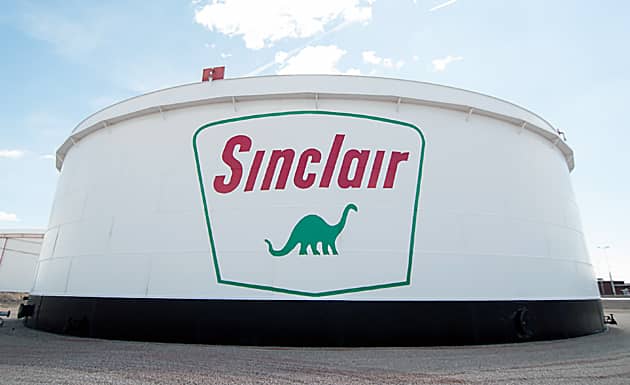
Proactive maintenance approach at Sinclair impacts bottom line
Noria’s onsite training and Lubrication Program Development helped transform the Sinclair Wyoming Refinery into an industry leader for machinery lubrication. With guidance from Noria, the refinery was able to shift to a proactive maintenance approach and adopt best practices, significantly impacting its operations and bottom line.