
 Algeria
Oil Analysis II Training
Expand your oil analysis skills
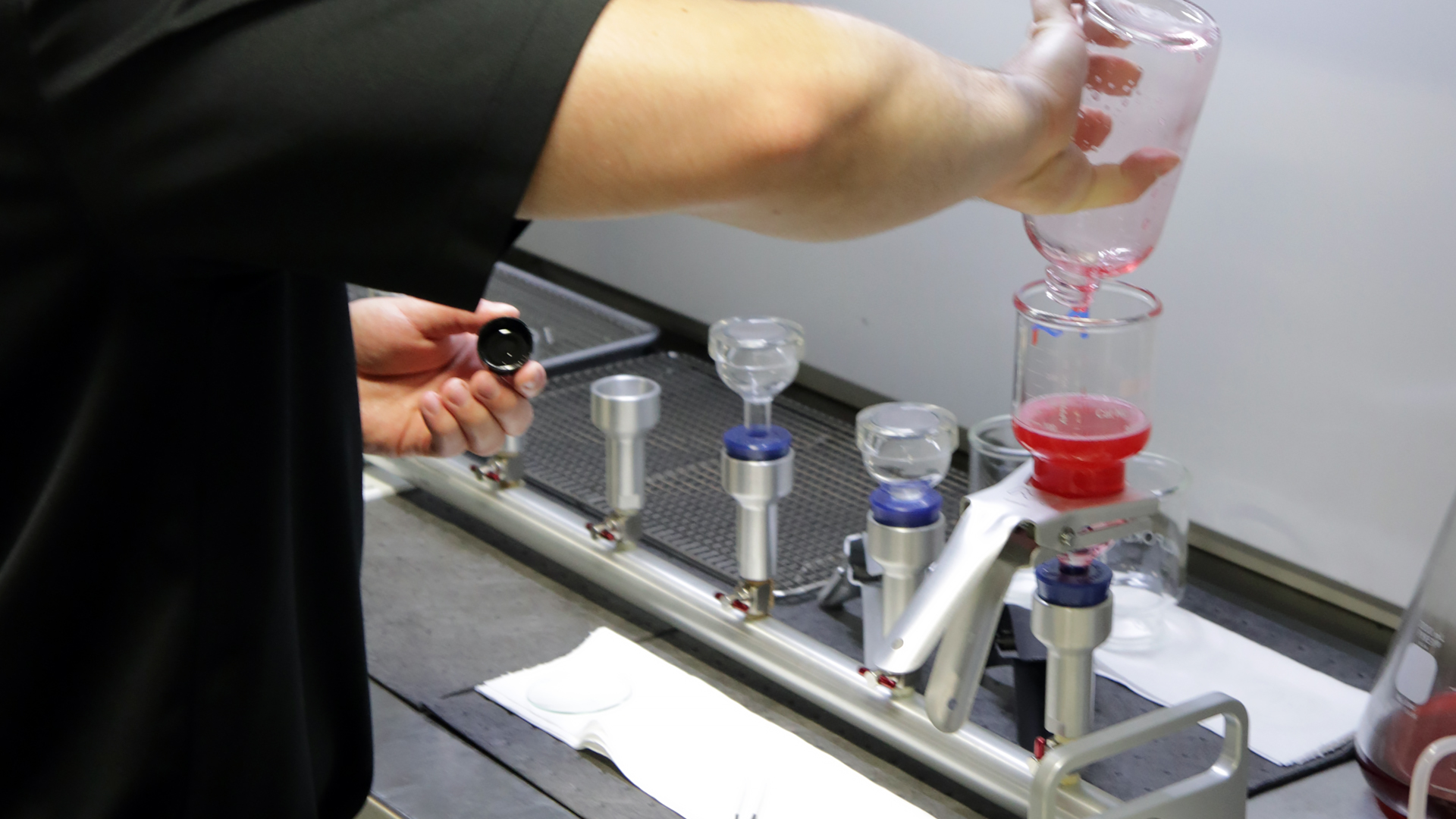
Oil Analysis II (OA II) was designed to foster a deeper understanding of oil analysis. Through case studies, oil analysis reports, and group problem-solving exercises, students will explore oil analysis and its use in making lubrication decisions. The course also explores techniques used to detect the additive, thermal and particle factors that degrade oil.
OA II Course Overview
- Course Duration: 24 hours (over 3 days)
- Associated Certifications: MLA II, OMA I
- Prerequisites: ML I (Who should attend?)
- Study Pack: Optional add-on with course purchase. Also available separately on the Noria Store
$1,795
Per student*
Upcoming Oil Analysis II training events
What you’ll learn
- Oil Sampling Best Practices
- Fluid Properties
- Contamination Control
- Wear Particles and Faults
- Test Results and Oil Report Interpretation
Optional add-ons for each course
One-year of Noria Academy access
Optionally purchase the OA II Study Pack including digital flash cards, a comprehensive practice exam to help you prepare for your certification exam, and over 5 hours of supplemental videos to help you build critical job skills. Access via our Noria Academy app or online at academy.noria.com.
Course Manual
Optional course manuals may be purchased during checkout for an additional fee for students who attend In-Person training or Live Online training in the United States.
Recording of the course
If you purchased Live Online training, you can also opt to receive a recording of your course during registration for an additional fee. This recording will be accessible on-demand through our online Learning Management System for 90 days following completion of the course.
Getting Certified

Our OA II course is designed to prepare students for the ICML’s MLA II and STLE’s OMA I certification tests. To take the exams, apply through the ICML and STLE websites and review practice questions in advance with the Noria Academy app.
Noria Certification Guarantee
When you complete a Noria certification course, we guarantee you will pass the associated ICML exam — or get free resources and ongoing support from Noria experts until you do.
Learn from expert instructors
Gain valuable knowledge from these industry experts
-
Bennett Fitch

-
Wes Cash

-
Jerry Putt

-
Paul Farless

-
Bryan Johnson
Reliability Maintenance Professional

-
Keith Spoonmore
Training Consultant

-
Jim Fitch
Senior Technical Consultant

Who should attend?
The Oil Analysis II course is most beneficial for maintenance, reliability and operations professionals who are involved in oil sampling or analysis activities. Planners, supervisors and managers and others can also gain valuable insights into lubrication program gaps, cost-saving opportunities and data-driven decision-making from this course.
Job Title or Role |
Top Benefit |
|---|---|
| Lube Tech (Lubrication Technician) | Learn best practices for daily tasks |
| Inspector | Uncover more actionable insights |
| PdM Technician, Reliability Engineer, Maintenance Engineer | Improve data-driven decision-making |
| Reliability Manager, Maintenance Manager | Identify program gaps and opportunities |
Course content
Oil Analysis II (OA II) provides maintenance professionals with the knowledge and skills they need to properly sample and monitor oil health via in-site tests and lab analysis.
| Day 1 | |
|---|---|
| Time | Section |
| Morning | Introduction and Set Up |
| Maintenance Philosophies | |
| Optimizing Oil Analysis | |
| Lubrication Fundamentals | |
| Oil Analysis Fundamentals | |
| Lunch Break | |
| Afternoon | Fluid Properties Analysis |
| Day 2 | |
|---|---|
| Time | Section |
| Morning | Fluid Properties Analysis |
| Contamination Control and Proactive Maintenance | |
| Lunch Break | |
| Afternoon | Contamination Control and Proactive Maintenance |
| Day 3 | |
|---|---|
| Time | Section |
| Morning | Fault and Wear Particle Analysis |
| Alarms, Limts and Test Slate Selection | |
| Anatomy of Oil Analysis Reports | |
| Lunch Break | |
| Afternoon | Field Tests and inspections |
| Case Studies Workshop | |
Reviews from students
Course formats
-
Public Events
Available In-Person or Live Online Worldwide
$1,795
Per student
Get in-person training with Noria experts and your ICML certification exam after the course (exam application required).
Calendar -
Private Live Online
Private, Virtual Classroom
$19,995
Per course
Join Noria experts LIVE in our virtual classroom—no hotel or travel costs required. Pricing includes up to 25 color manuals.
Learn More -
Studio Recordings
Available 24/7
$1,795
Per student
Get access to recordings of Noria training to learn on your own schedule.
Visit Noria Store -
On-site
At your facility
Starting at $23,345
Per course
Noria experts will come to your team, either in person at your plant or in a private live online classroom. Pricing includes up to 25 color manuals.
Learn More
Increase your confidence for the exam
The Noria Academy app is the best way to prepare for your ICML or STLE certification exam. Use our digital flashcards, comprehensive practice exam and supplemental material to increase your confidence level with course material.
Contact a Noria expert today
Frequently asked questions
What is check-in time for in-person training?
We ask that students check in on the first day of training (Tuesday) from 7:30 – 8:00 a.m.
How long does a day of training last?
A day of training typically begins at 8:00 a.m. and continues until 4:00 p.m. with an hour break for lunch.
Are food and beverages provided at in-person training events?
Complimentary fresh-brewed coffee will be available throughout the day, but students are responsible for their own food and drinks otherwise.
Is audio or video recording allowed during training?
No, please do not record audio or video of training course content.
Is parking included with registration for in-person training events?
No, parking fees are not included.
Other courses you may be interested in
-
Machinery Lubrication II
Machinery Lubrication II (ML II) covers advanced lubrication topics like lubricant selection, troubleshooting, predictive maintenance and more.
-
Oil Analysis Report Interpretation
Learn a systematic approach to translating oil analysis reports into actionable maintenance decisions. Select the right tests for measuring key data to support specific objectives.
-
Machinery Lubrication Engineer
Go beyond the traditional lubricant and lubrication subjects and undertake a holistic approach toward developing, implementing and managing a world-class lubrication program.